Source Saso Certified Light Truck Tyre for Fleet, Haulage, and Regional Delivery
Compare 30 saso certified light truck tyre options featuring radial construction, high mileage ratings, and various ply ratings. Evaluate specifications like tread depth and load index to find suitable tires for commercial transport applications.
Key considerations
Products List


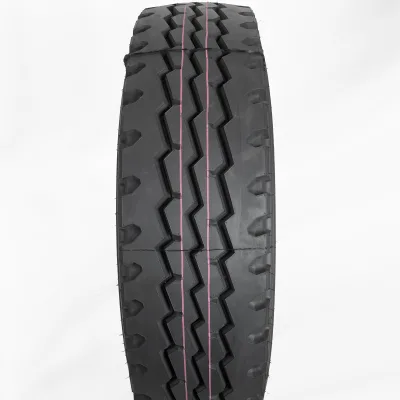
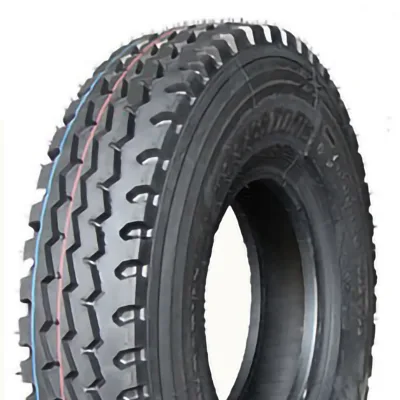
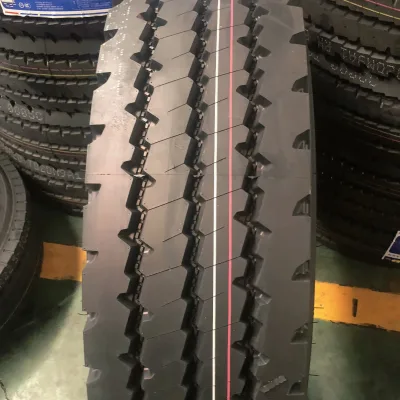

Truck Tire/Tyre with DOT Gcc Saso Certificate 315/80r22.5 385/65r22.5 11r22.5
$90.00 - $110.00
Moq: 10


Comprehensive Sourcing Guide
Saso Certified Light Truck Tyre Sourcing Guide
The global market for SASO-certified light truck tyres is defined by a specific set of regulatory requirements that ensure safety and performance standards for vehicles operating in Saudi Arabia and the broader Middle East region. Procurement professionals must recognize that SASO certification is not merely a label but a rigorous verification process involving specific testing protocols and documentation that aligns with local traffic safety laws. When sourcing these tyres, buyers should prioritize suppliers who can demonstrate a clear chain of custody for their certification documents, ensuring that the specific tyre models ordered match the exact specifications listed in the approved certificates.
Successful procurement in this sector requires a deep understanding of the technical attributes that distinguish compliant products from non-compliant ones, particularly regarding tread patterns, ply ratings, and load indices. The observed market data indicates a diverse range of models, including radial tyres with ply ratings from 14 to 22, which directly impacts the vehicle's load-carrying capacity and durability. Buyers must verify that the selected tyre models, such as those with pattern codes like Sp309 or Sp307, are explicitly covered under the supplier's SASO certification to avoid customs delays or legal penalties upon importation.
Product Scope and Observed Listing Signals
The current product landscape for light truck tyres includes a wide variety of specifications, ranging from 11.00R20 to 385/65R22.5, catering to different vehicle classes and operational environments. Listings frequently highlight specific tread patterns designed for drive or steer axles, with some models offering regroovable options to extend service life. Buyers should carefully cross-reference the listed product models, such as SP981 or SP328C, against their fleet requirements to ensure the tyre dimensions and construction match the intended application, as the market offers both standard and customised packing options.
Market signals also reveal significant variation in delivery timelines and stock availability, with some suppliers offering immediate stock while others operate on a 10 to 25-day production cycle. The presence of promotional items like hats, flags, and umbrellas in listings often indicates a supplier's focus on relationship building, but these should not distract from the core evaluation of the tyre's physical attributes. Procurement teams must distinguish between general marketing claims and verified product facts, such as the specific material composition of rubber and the confirmed export markets, to ensure the supplier has the logistical capacity to meet international shipping demands.
Technical Specifications to Verify
Technical verification begins with the fundamental construction details, specifically the ply rating and radial construction, which are critical for determining the tyre's structural integrity under heavy loads. The observed data shows ply ratings ranging from 14pr to 22pr, with specific models supporting maximum loads up to 4250kg at a pressure of 660 Kpa. Buyers must confirm that the selected tyre's load index, such as 158, aligns with the vehicle's gross weight requirements and that the speed rate, typically rated J for these commercial applications, meets the operational speed limits of the intended route.
Further technical due diligence involves examining the tread depth and mileage expectations, which are key indicators of the tyre's longevity and cost-per-kilometre efficiency. Listings indicate tread depths of 25mm and projected mileages between 100,000 and 150,000km, depending on the specific model and usage conditions. It is essential to verify the testing methods employed by the manufacturer, such as Ray-X testing, dynamic testing, and static balance, to ensure that the tyres have undergone rigorous quality checks before leaving the factory. Additionally, the standard rim size, often listed as 10 inches for certain models, must be compatible with the vehicle's wheel assembly to prevent mounting issues.
Compliance and Safety Documentation
Compliance with SASO standards is the primary gatekeeper for importing tyres into the Saudi market, requiring suppliers to provide valid certificates that cover the specific product models being purchased. The observed certification list includes DOT, ECE, GCC, Saso, Soncap, Inmetro, and Latu, indicating that reputable suppliers often hold multiple international accreditations. Buyers must request the specific SASO certificate for the exact tyre model and pattern code, such as Sp309, to ensure that the product has been tested and approved for the specific regulatory environment of the destination country.
Beyond the SASO certificate, documentation must include proof of origin and detailed technical data sheets that align with the physical product. The supply chain for these tyres often originates from China, and buyers should verify the "Made in China" origin status alongside the technology origin, which may be listed as Germany or France, to understand the engineering heritage of the product. It is crucial to ensure that the documentation provided matches the physical markings on the tyre sidewall, including the production date and model number, to prevent discrepancies that could lead to rejection at customs or during safety inspections.
Cost Drivers and Commercial Terms
The pricing structure for SASO-certified light truck tyres is influenced by several factors, including the FOB, CNF, and CIF terms, which dictate the point at which costs and risks transfer from the seller to the buyer. The observed price range of 12 to 300 USD reflects the diversity in tyre sizes and specifications, with larger radial tyres commanding higher prices due to increased material usage and manufacturing complexity. Buyers should analyze the total landed cost rather than just the unit price, considering that shipping costs and insurance can significantly impact the final expenditure, especially for bulk orders.
Commercial terms also play a vital role in the financial planning of the procurement process, with payment structures typically requiring a 30% advance via T/T and the balance upon shipment or delivery. The minimum order quantity (MOQ) is often structured around a 1x20FT container, which sets a baseline for the volume required to secure competitive pricing and efficient logistics. Suppliers may offer flexible delivery times, ranging from within 7 days for stock items to 10-15 days for production runs, and buyers must align their inventory planning with these lead times to avoid stockouts or overstocking situations.
Supplier Qualification and Quality Control
Supplier qualification extends beyond the possession of certifications to include a robust quality control system that ensures consistent product performance. The observed data highlights a 3-year or 100,000km quality warranty, which serves as a strong indicator of the manufacturer's confidence in their product's durability. Buyers should verify the specific terms of this warranty, including what constitutes a defect and the process for claims, to ensure that the protection offered is meaningful and enforceable in their jurisdiction.
Quality control processes should also encompass the manufacturing technology and testing methodologies employed by the supplier. The mention of technologies from Germany and France suggests a focus on advanced engineering, but buyers must confirm that these technologies are actively applied in the production of the specific tyres being ordered. Regular audits of the supplier's facilities, including checks on their testing methods like Ray-X and dynamic testing, are essential to maintain high standards and ensure that every batch of tyres meets the required safety and performance benchmarks.
Long-Term Procurement Checks
Establishing a long-term procurement relationship requires ongoing monitoring of the supplier's ability to maintain consistent quality and delivery performance over time. Buyers should track the actual mileage achieved by the tyres in their fleet against the claimed 100,000 to 150,000km range to validate the manufacturer's performance claims. This data-driven approach allows for the identification of any deviations in product quality that might not be apparent during the initial sampling phase, ensuring that the tyres continue to meet operational needs.
Regular reviews of the supplier's compliance status and market reputation are also critical for mitigating long-term risks. As regulations evolve, suppliers must remain up-to-date with changes in SASO and other international standards, and buyers should verify that their certificates remain valid throughout the contract period. Additionally, monitoring the supplier's export markets and customer feedback can provide insights into the tyre's performance in similar environments, helping to make informed decisions about future procurement strategies and potential supplier diversification.
FAQs
What certifications do Sportrak tyres have?
Sportrak tyres hold DOT, ECE, GCC, Saso, Soncap, Inmetro, and Latu certifications. These documents verify compliance with international safety and quality standards. Buyers in regulated markets can rely on these credentials for customs clearance and legal operation. The brand ensures each batch meets the specific requirements of its export destinations.
What is the warranty period for these tyres?
The quality warranty covers 3 years or 100,000 kilometers, whichever comes first. This guarantee applies to the Sp309 and other radial tyre patterns. It protects buyers against manufacturing defects and premature wear. The warranty terms are standard for heavy-duty commercial applications and provide long-term value assurance.
How long is the delivery time for orders?
Delivery typically occurs within 7 to 25 days after receiving the deposit. Some orders may be fulfilled within 10 days after receiving the T/T payment. This timeline allows for production scheduling and quality checks. Buyers should confirm exact dates based on their specific order volume and packaging requirements.
What is the minimum order quantity for these tyres?
The minimum order quantity is one 20-foot container. This MOQ applies to standard stock items like the 11.00R20 and 12.00R24 models. It balances shipping efficiency with inventory management for small to medium buyers. Custom packaging or specific patterns may have different logistical considerations.
Can these tyres be regrooved?
Yes, the tyres are regroovable, extending their usable life. The tread depth is approximately 25mm, allowing for significant re-cutting. This feature reduces total cost of ownership for fleet operators. Regrooving is a standard maintenance practice for radial truck tyres to maximize mileage.
What payment terms are accepted for these tyres?
Payments are accepted via T/T or L/C. A common term is 30% by T/T in advance. This structure secures production while managing cash flow for the buyer. The remaining balance is typically settled before shipment or against documents. These terms are standard for international B2B tyre transactions.